

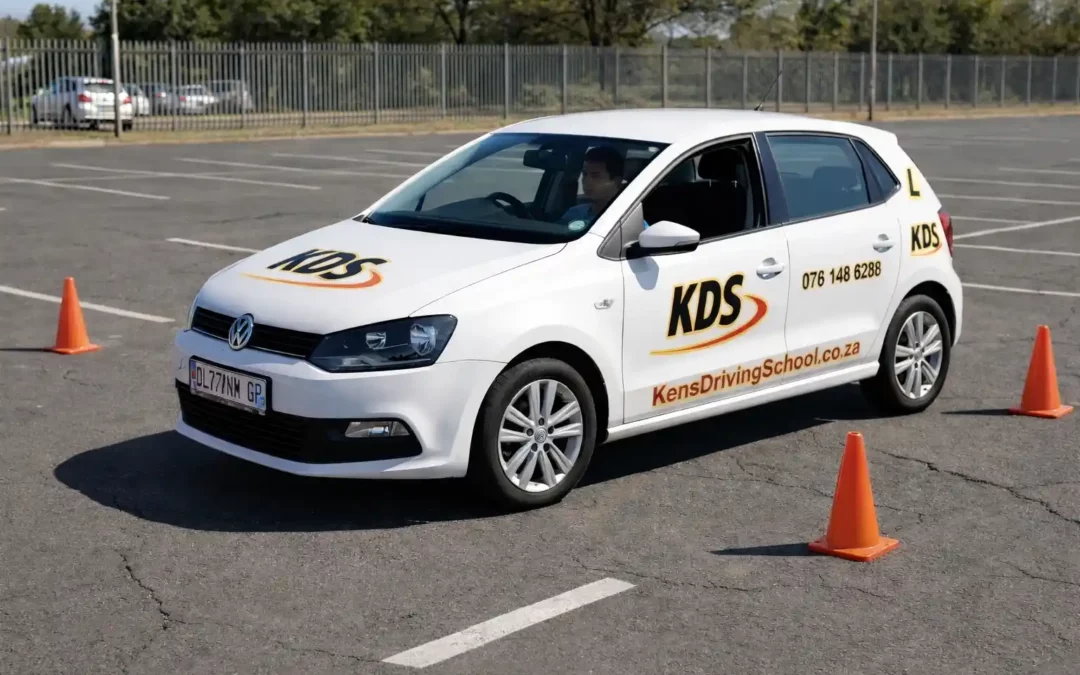
If you are asking how many driving lessons do I need in Johannesburg, you are not alone. It is one of the first questions new learners ask before they start driving lessons.
The short answer: there is no fixed number of lessons.
Some learners are ready for their test after 10 lessons. Others may need 25, 35, or even more. It depends on your confidence, your coordination, your practice between lessons, and how quickly you develop safe driving habits.
At Ken’s Driving School, lessons follow a structured approach that moves from basic vehicle control to full K53 test preparation. That structured progression helps learners improve step by step rather than trying to rush through everything at once.
In this guide you will learn:
-
how many driving lessons most learners take
-
what affects the number of lessons you need
-
how beginners progress through training
-
signs you are ready for your driving test
-
how to reduce the number of lessons required
-
why professional instruction helps learners pass faster
If you want to learn to drive in Johannesburg, this guide will give you a realistic idea of what to expect.
Why There Is No Fixed Number of Driving Lessons
Many learners expect a simple answer such as “you need 10 lessons” or “20 lessons is enough.”
Driving does not work like that.
Learning to drive involves:
-
coordination
-
awareness
-
decision-making
-
vehicle control
-
traffic judgement
Every learner develops those skills at a different pace.
Several factors affect how quickly you improve:
| Factor | How It Affects Lesson Numbers |
|---|---|
| Previous driving experience | Learners who have driven before usually need fewer lessons |
| Lesson frequency | Weekly lessons help learners improve faster |
| Confidence level | Nervous learners may take longer to feel comfortable |
| Practice outside lessons | Extra practice speeds up progress |
| Traffic exposure | Busy Johannesburg roads can require more practice |
Because of these variables, professional instructors normally assess progress rather than promising a fixed number of lessons.
At Ken’s Driving School, instructors monitor your progress and recommend when you are ready to move to the next stage.
Typical Driving Lesson Ranges in Johannesburg
Although there is no exact number, many learners fall into general ranges.
| Learner Type | Typical Lessons Needed |
|---|---|
| Complete beginner | 20 – 35 lessons |
| Some driving experience | 10 – 20 lessons |
| Refresher learner | 5 – 10 lessons |
| Test preparation only | 3 – 6 lessons |
These numbers are not guarantees. They are simply common patterns instructors see.
For example:
-
A learner who practises regularly with family may need fewer lessons.
-
A learner starting from zero may take longer to reach test readiness.
The key point is that progress matters more than lesson numbers.
What Happens During Your First Driving Lessons
The first lessons focus on the fundamentals of vehicle control.
Many learners feel nervous during the first few sessions. That is normal. Driving involves several actions happening at once, and your brain needs time to coordinate them.
Early lessons normally include:
-
basic vehicle controls
-
moving off smoothly
-
steering control
-
stopping safely
-
mirror use
-
observation techniques
You also start learning how to position the vehicle on the road and maintain safe spacing from other vehicles.
The goal of these early lessons is simple:
build confidence and control.
Once that foundation is solid, the instructor introduces more complex driving situations.
Learning the Basic Controls
Before entering busy traffic, you need to become comfortable with the vehicle itself.
Key skills include:
Moving Off
Moving away smoothly from a stationary position is one of the first driving skills learners practise.
This involves:
-
checking mirrors
-
blind spot observation
-
signalling
-
clutch and accelerator control (manual vehicles)
Developing smooth starts is important for driving in traffic and at intersections.
Steering Control
Good steering technique keeps the vehicle stable and controlled.
Learners practise:
-
maintaining lane position
-
turning corners smoothly
-
controlling the steering wheel without over-correcting
Steering improves naturally with practice.
Smooth Braking
Braking correctly keeps passengers comfortable and prevents sudden stops.
Learners practise:
-
progressive braking
-
stopping at safe distances
-
stopping at intersections and traffic lights
Mirror Observation
Observation forms a major part of the K53 driving system.
Learners must build the habit of checking mirrors before:
-
changing lanes
-
slowing down
-
turning
-
moving off
Many learners struggle with observation early on. With practice it becomes automatic.
Moving Into Real Traffic
Once you control the vehicle comfortably, lessons move into real traffic situations.
This stage usually takes several lessons.
You begin learning how to deal with:
-
traffic lights
-
intersections
-
lane changes
-
traffic flow
-
pedestrians
-
taxis and buses
-
roundabouts
Driving in Johannesburg requires good awareness because traffic conditions change quickly.
Your instructor will introduce more complex areas gradually so you build confidence without feeling overwhelmed.
Learning Parking and Manoeuvres
Parking forms a large part of the K53 driving test.
Many learners spend several lessons practising parking because it requires precise control.
Common manoeuvres include:
Parallel Parking
Parallel parking tests your ability to control the vehicle in tight spaces.
Learners practise:
-
reversing control
-
steering timing
-
vehicle positioning
Alley Dock Parking
Alley docking requires reversing into a parking space.
This manoeuvre checks:
-
mirror observation
-
steering control
-
reversing accuracy
Three Point Turn
The three-point turn allows drivers to change direction in a narrow road.
Learners practise:
-
vehicle positioning
-
steering coordination
-
observation during manoeuvres
Parking skills often take several lessons to master.
That is normal.
Understanding the K53 Driving System
South Africa uses the K53 driving system for licence testing.
K53 focuses heavily on safety routines.
Drivers must demonstrate:
-
proper mirror checks
-
blind spot observation
-
correct signalling
-
safe following distance
-
proper vehicle control
Many learners who already know how to drive still need lessons to learn K53 test routines.
At Ken’s Driving School, instructors help learners practise exactly what examiners look for during the driving test.
Signs You Are Getting Close to Test Ready
As your lessons progress, certain signs show that you are approaching test readiness.
You may be close to booking your test when you can:
-
move off smoothly without hesitation
-
control the vehicle consistently
-
check mirrors automatically
-
change lanes safely
-
handle intersections calmly
-
park accurately
-
follow instructions without panic
Test readiness is not about perfection.
It is about safe, controlled driving under pressure.
Your instructor will advise when you are ready to book your driving test.
Why Lesson Frequency Matters
The number of lessons you need depends heavily on how often you take lessons.
Learners who take lessons regularly usually progress faster.
For example:
| Lesson Frequency | Typical Progress |
|---|---|
| Weekly lessons | Steady improvement |
| Two lessons per week | Faster skill development |
| Long gaps between lessons | Slower progress |
When lessons are too far apart, learners often spend time reviewing previous skills instead of building new ones.
Regular lessons help you maintain momentum.
Practice Outside Lessons
Practice between lessons can significantly reduce the number of professional lessons required.
However, practice must be done safely.
If you practise with a supervising driver, focus on:
-
observation habits
-
smooth vehicle control
-
correct lane discipline
-
calm decision making
Bad habits can form if practice is not supervised correctly.
Professional instructors help correct mistakes before they become routine.
Confidence and Anxiety in New Drivers
Many learners worry about driving in Johannesburg traffic.
Common concerns include:
-
busy intersections
-
taxis stopping suddenly
-
lane changes in heavy traffic
-
merging into traffic
Confidence builds gradually with experience.
Driving lessons expose learners to real traffic situations under instructor guidance.
Over time, situations that once felt stressful become manageable.
Common Mistakes That Increase Lesson Numbers
Some learners take longer to reach test readiness because of certain habits.
Common issues include:
Irregular Lessons
Long gaps between lessons slow progress.
Overthinking Controls
New learners sometimes focus too much on pedals or gears instead of traffic awareness.
Driving requires attention on the road first.
Lack of Observation
Failing to check mirrors or blind spots consistently can delay test readiness.
Panic in Traffic
Confidence develops gradually. Instructors help learners handle pressure calmly.
Correcting these habits early helps learners improve faster.
Manual vs Automatic Lessons and Lesson Numbers
The type of vehicle can also affect lesson numbers.
Automatic Lessons
Automatic cars remove gear changes and clutch control.
This allows learners to focus on:
-
steering
-
traffic awareness
-
observation
Many learners feel confident sooner with automatic vehicles.
Manual Lessons
Manual driving requires coordination between:
-
clutch
-
accelerator
-
gear changes
Manual lessons may take slightly longer, but they give drivers more flexibility when choosing vehicles later.
Both options are available through Ken’s Driving School in Johannesburg.
How Professional Driving Instructors Help You Progress Faster
Professional instructors provide several advantages over informal practice.
They help you:
-
learn correct driving techniques
-
avoid bad habits
-
understand K53 test requirements
-
practise real test routes
-
build confidence in traffic
Many learners who try to learn without professional instruction eventually take lessons to correct mistakes.
Starting with a qualified instructor often saves time.
Learning to Drive in Johannesburg Traffic
Johannesburg offers a wide range of driving environments.
Learners may practise in areas that include:
-
residential streets
-
busy intersections
-
highway driving
-
shopping centre traffic
-
test route areas
Exposure to different environments prepares learners for real driving situations after passing the test.
Ken’s Driving School trains learners in areas commonly used during driving tests.
How Instructors Decide When You Are Ready
Driving instructors evaluate learners based on several criteria.
These include:
-
vehicle control
-
observation habits
-
decision making
-
parking accuracy
-
calm driving behaviour
The goal is not simply to pass the test.
It is to become a safe driver on real roads.
Your instructor will recommend when to book your test based on consistent performance during lessons.
What Happens During the Final Lessons
The last few lessons usually focus on test preparation.
This includes:
-
practising K53 routines
-
reviewing parking manoeuvres
-
practising test routes
-
correcting small mistakes
-
improving confidence
Many learners feel nervous before the test. Final lessons help prepare you mentally and practically.
Booking Your Driving Test in Johannesburg
Once your instructor confirms you are ready, you can book your driving test at a testing centre.
Common testing centres include:
-
Randburg
-
Sandton
-
Roodepoort
-
Langlaagte
-
Midrand
Preparation with a professional instructor improves your chances of passing on the first attempt.
Choosing the Right Driving School in Johannesburg
Selecting a professional driving school can affect how quickly you progress.
Look for:
-
qualified instructors
-
structured lesson plans
-
vehicles suitable for learners
-
flexible booking
-
experience with local test centres
Ken’s Driving School provides structured driving lessons designed to help learners build confidence and pass the K53 driving test.
Final Thoughts
When learners ask how many driving lessons do I need in Johannesburg, the honest answer depends on your starting point and how quickly you develop safe driving habits.
Most learners fall somewhere between 10 and 35 lessons, depending on experience and practice.
The most important factors are:
-
regular lessons
-
proper instruction
-
consistent practice
-
building safe driving habits
Driving is a skill that develops over time. With the right guidance, most learners become confident drivers sooner than they expect.
If you are looking for a driving school Johannesburg learners trust, visit the main page on driving lessons in Johannesburg to learn more about training options and booking your first lesson with Ken’s Driving School.
Frequently Asked Questions
How many driving lessons do beginners usually need?
Most complete beginners take between 20 and 35 driving lessons before reaching test readiness. The exact number depends on practice, confidence, and lesson frequency.
Can I learn to drive in 10 lessons?
Some learners with previous driving experience can become test ready in about 10 lessons, but complete beginners usually need more time.
How long should a driving lesson be?
Driving lessons typically last 45 minutes to 1 hour. Regular weekly lessons help learners progress steadily.
Do automatic driving lessons require fewer lessons?
Automatic lessons can feel easier at the beginning because there are no gear changes. Some learners gain confidence faster in automatic vehicles.
Should I practise between driving lessons?
Yes. Safe practice between lessons helps reinforce skills and can reduce the total number of professional lessons needed.